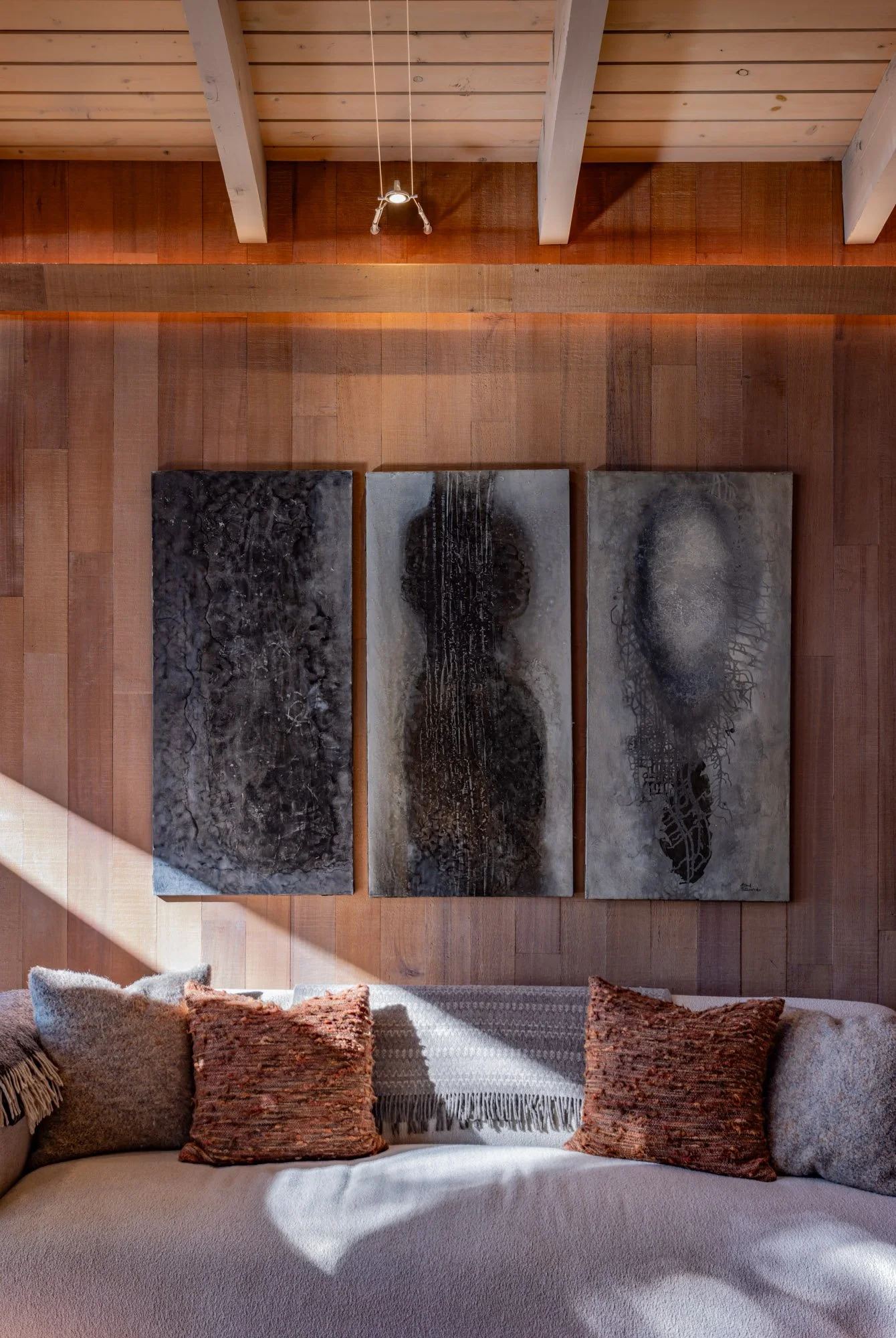
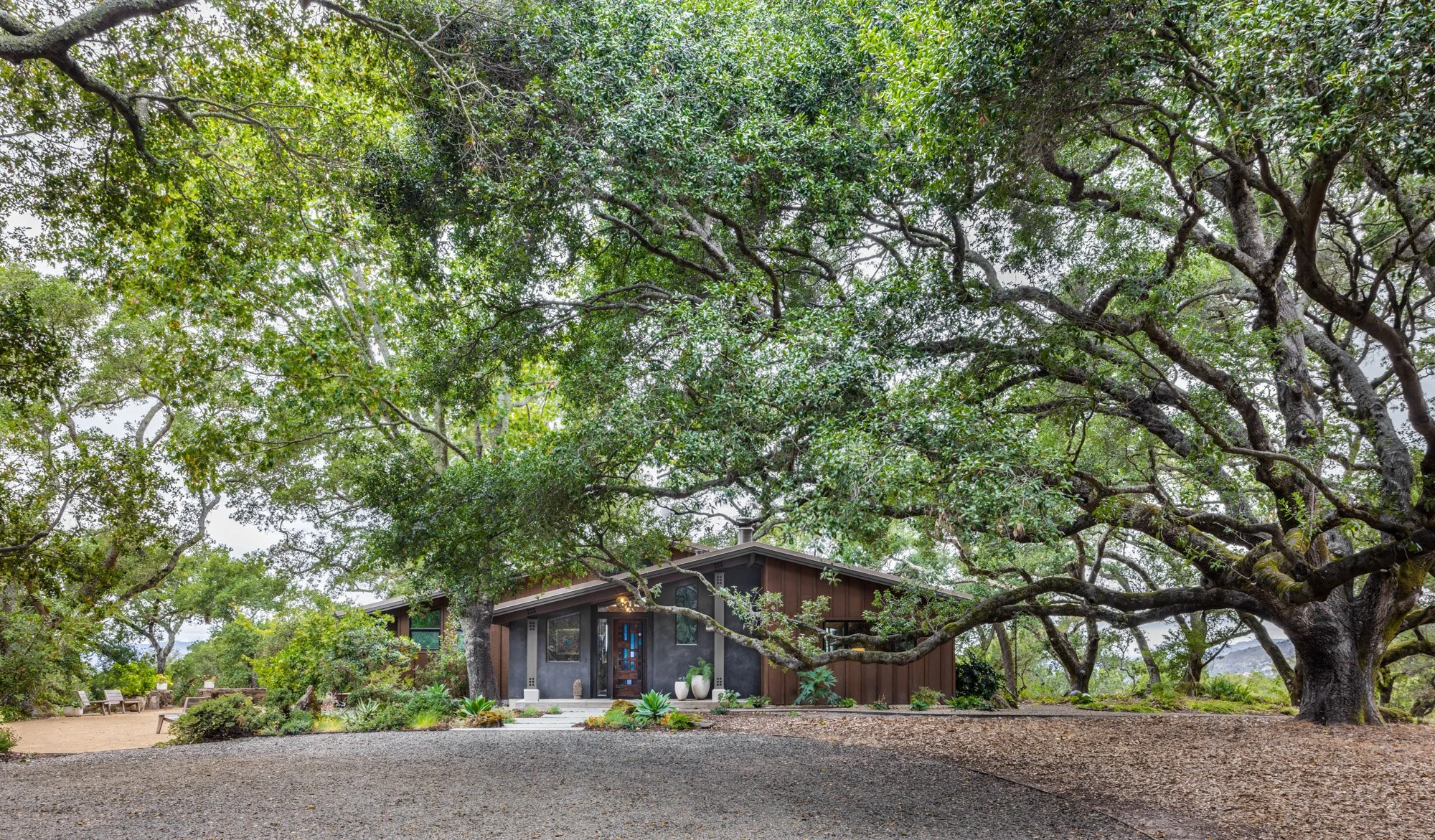
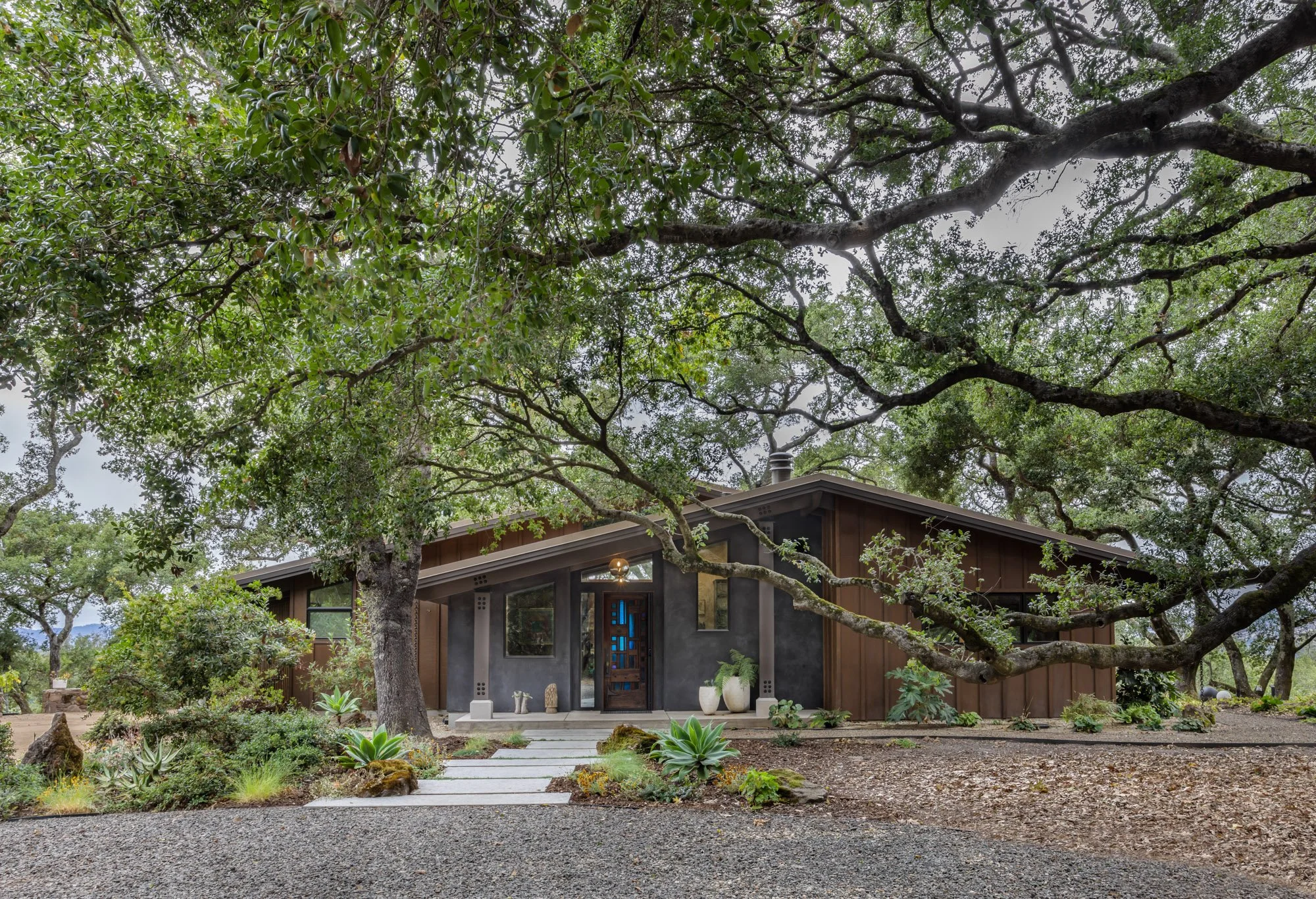
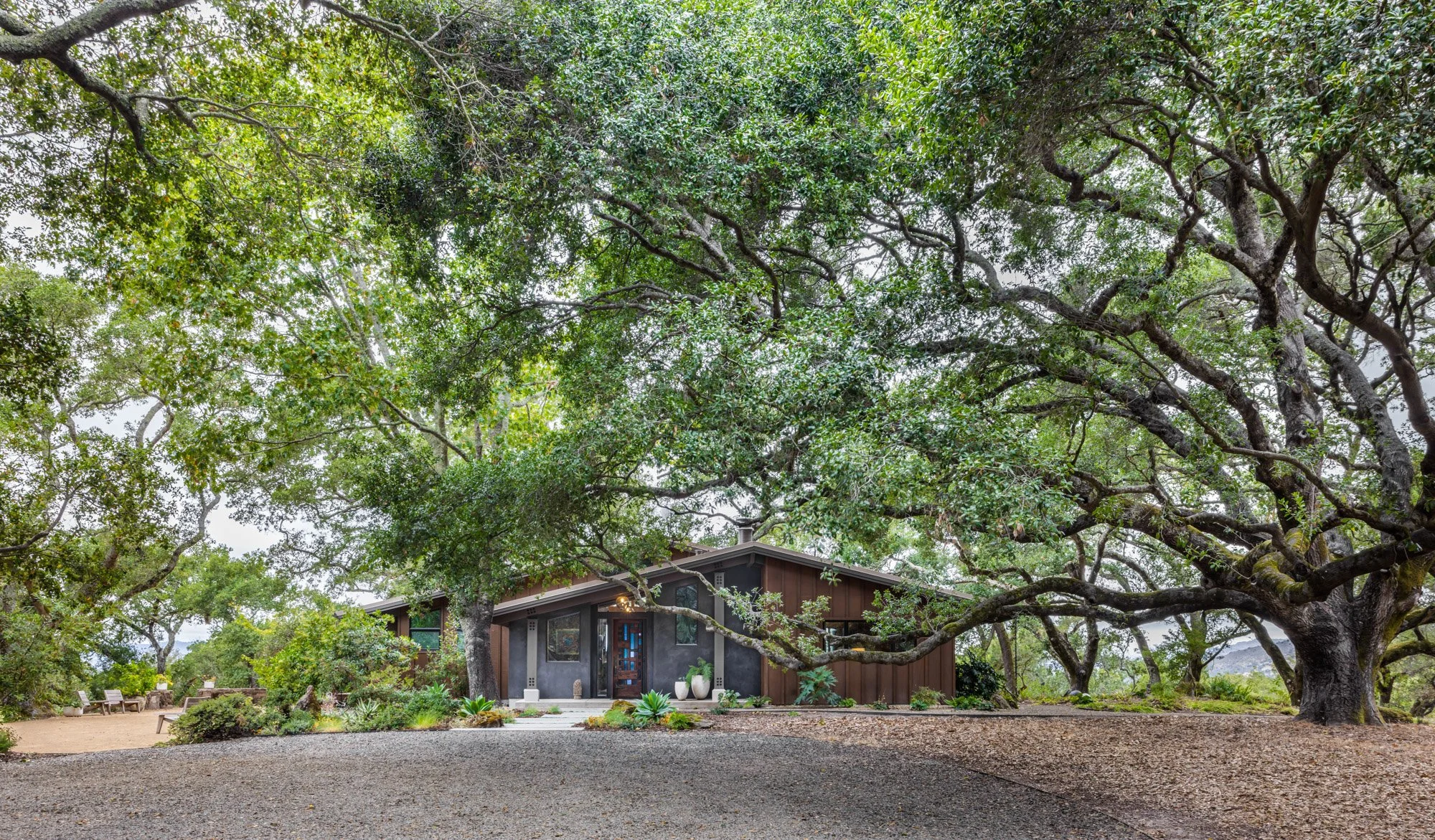
“The second we passed through the gate, we were transported to a different time in California. Only eleven minutes from town, yet emotionally far away from the hustle and bustle, time seemed to stop and restart through a completely different lens. It was immediately clear we weren’t just buying property; we were being entrusted with a precious legacy. We needed to assume the responsibility of maintaining this vision in our own way while respecting those who came before us—not just the Coombs family, but the native peoples who hunted, gathered, and communed here for centuries prior. As Andy Warhol famously said, “I think having land and not ruining it is the most beautiful art that anybody could ever want to own.
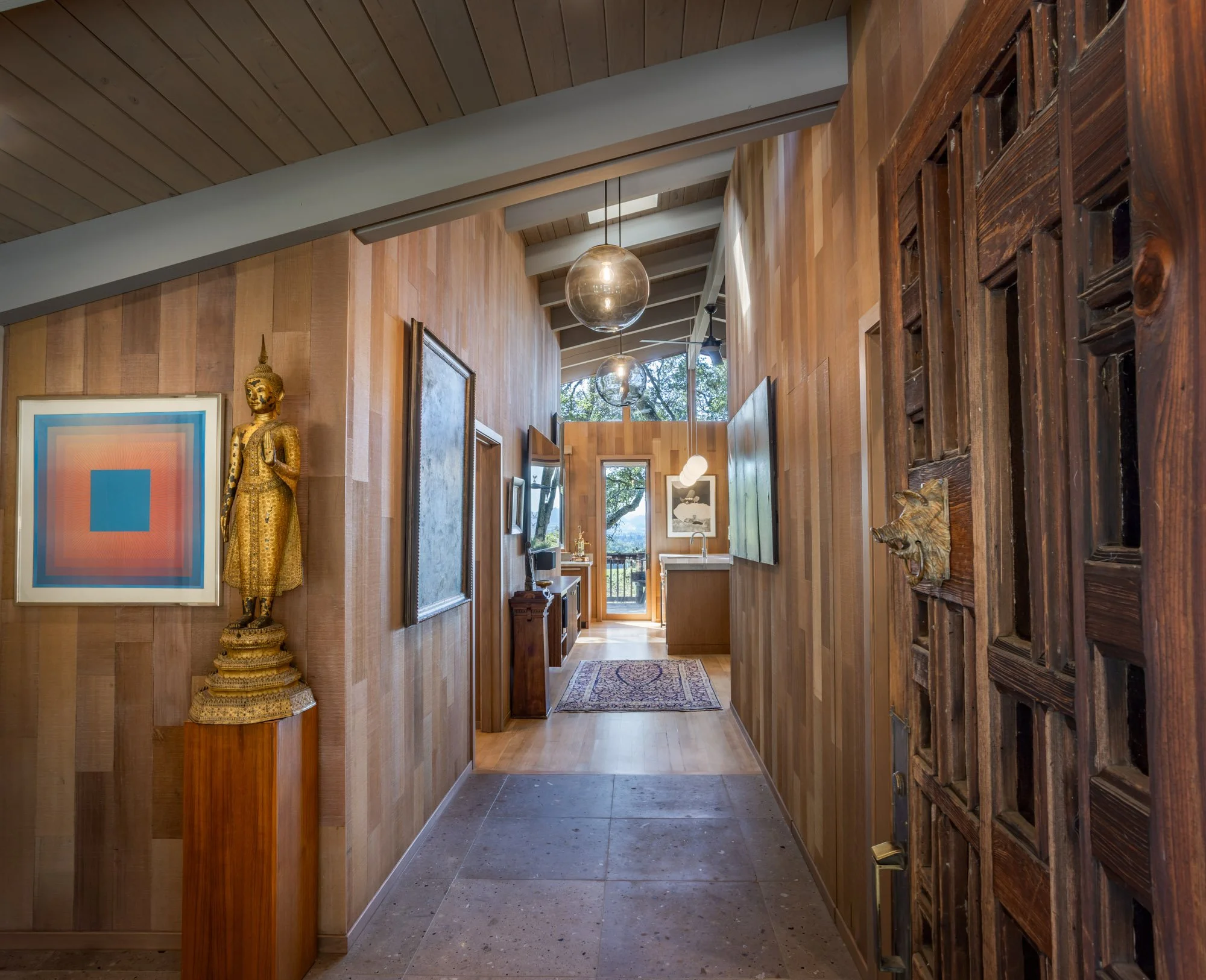
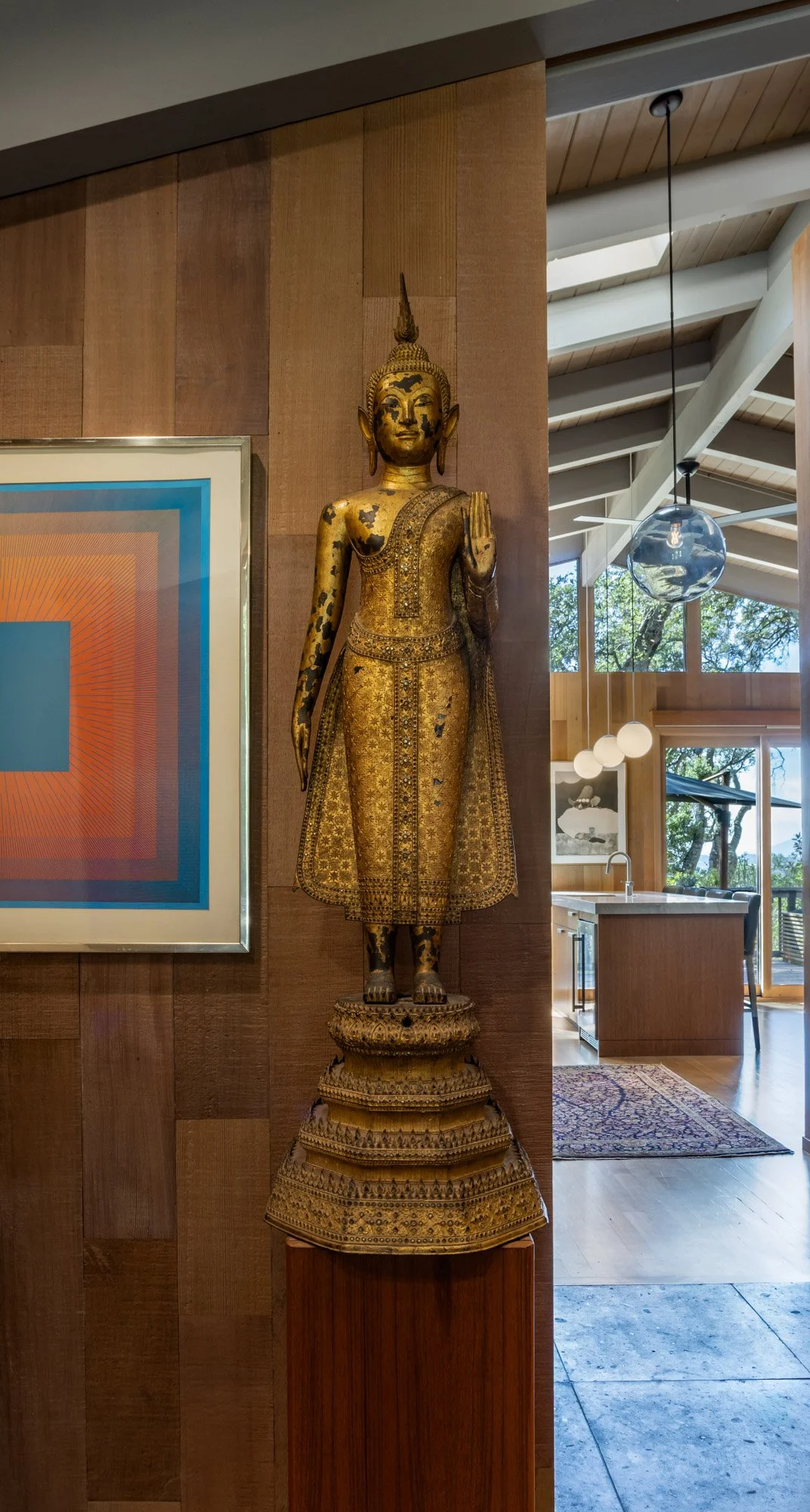
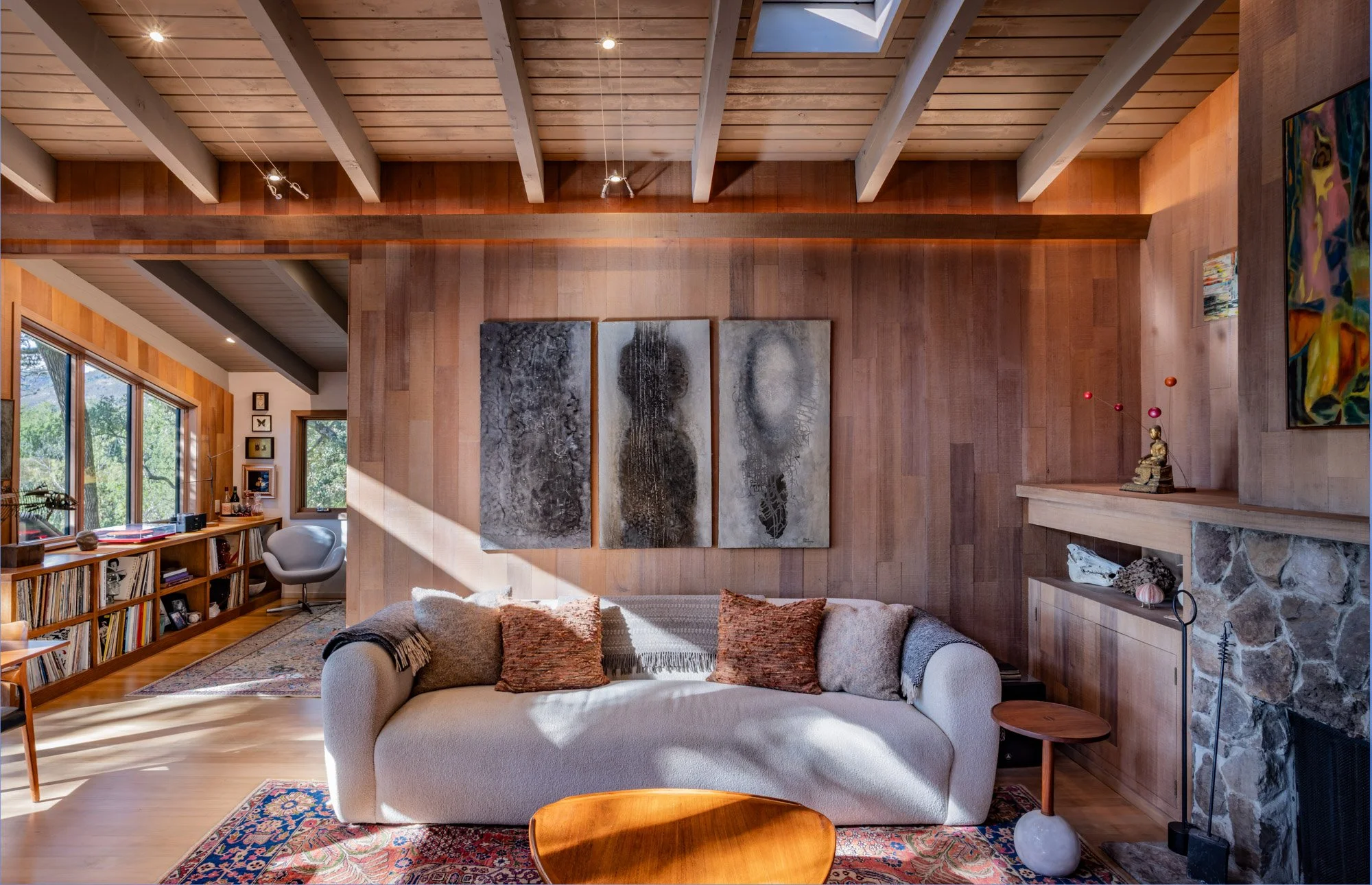
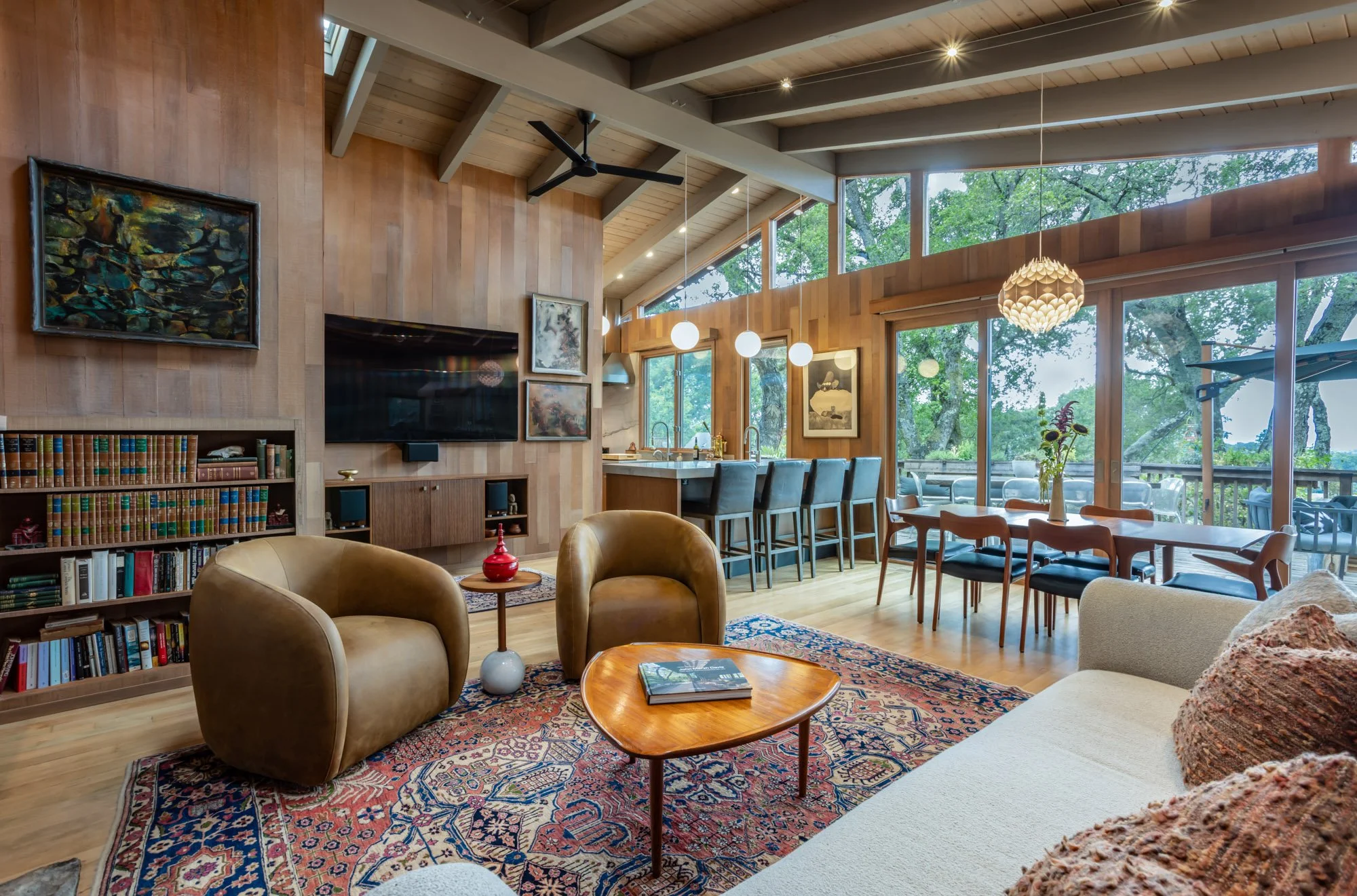
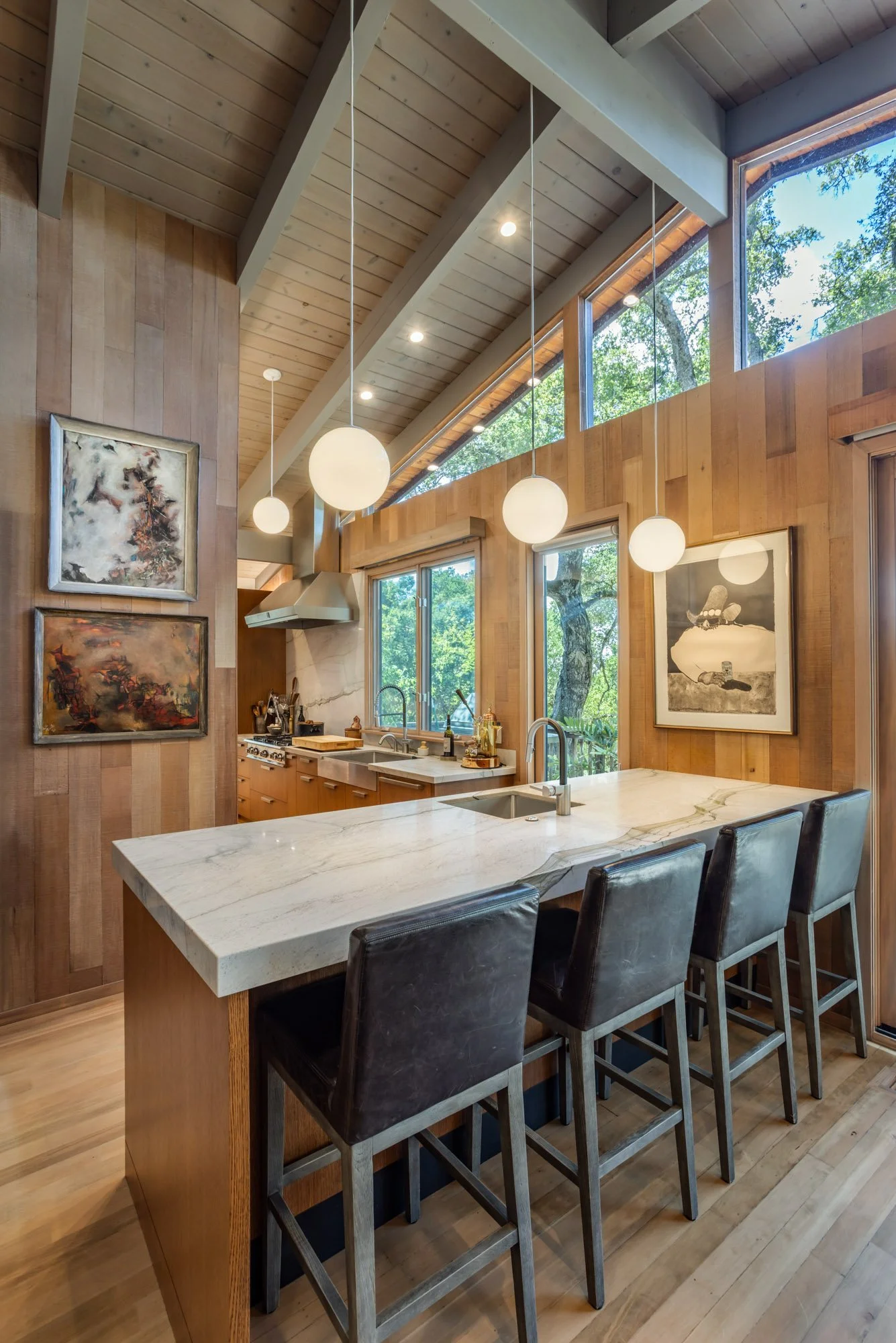
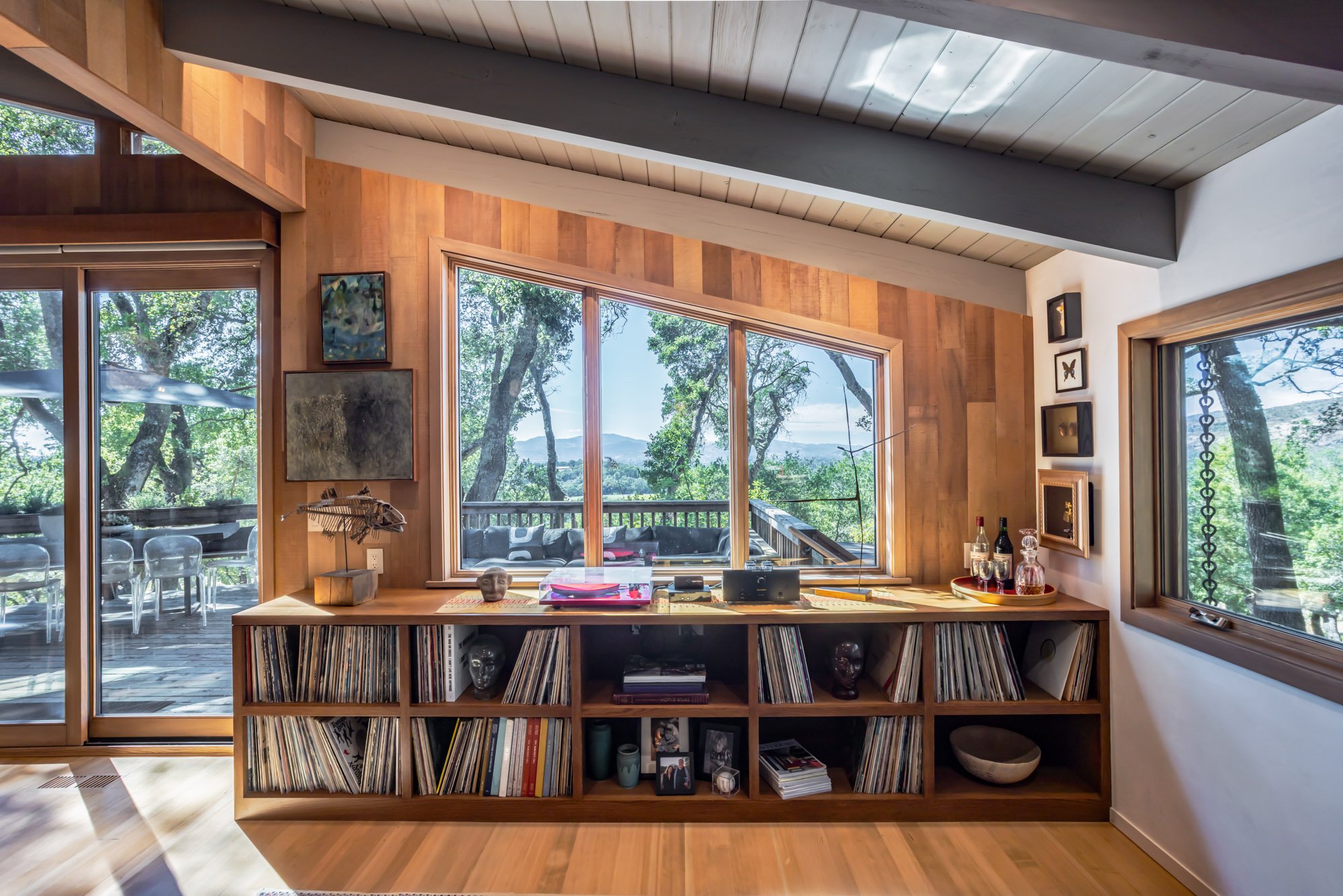
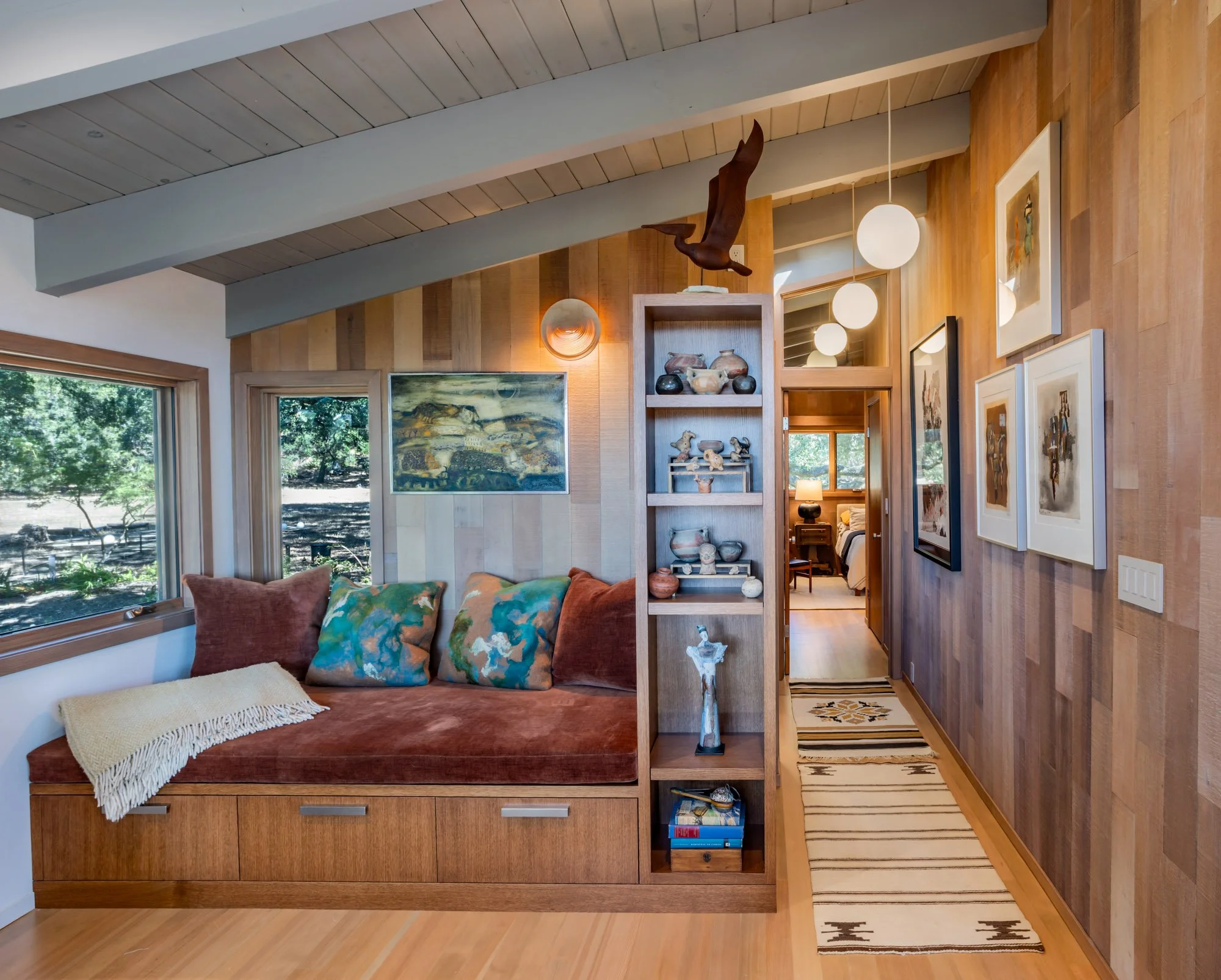
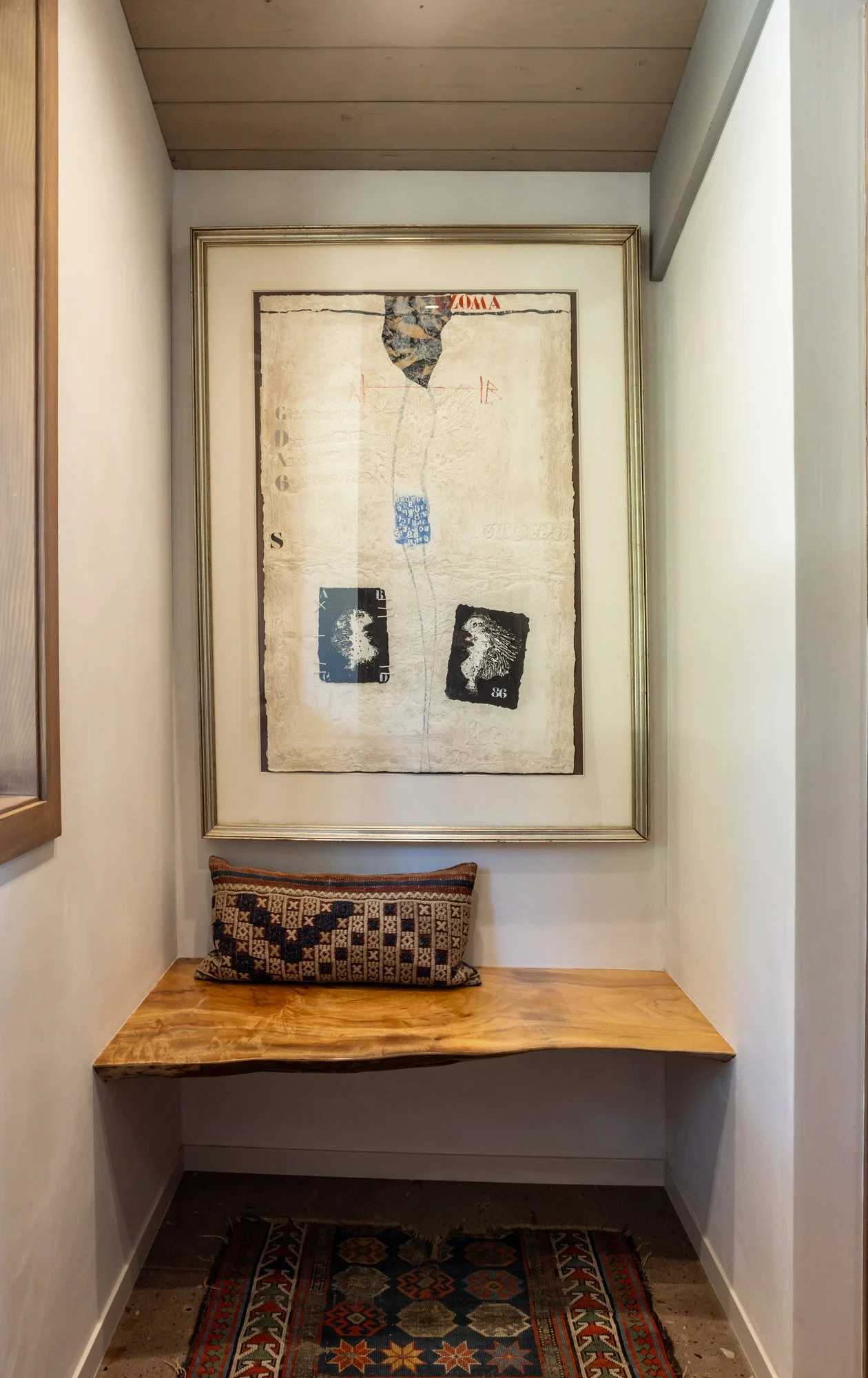
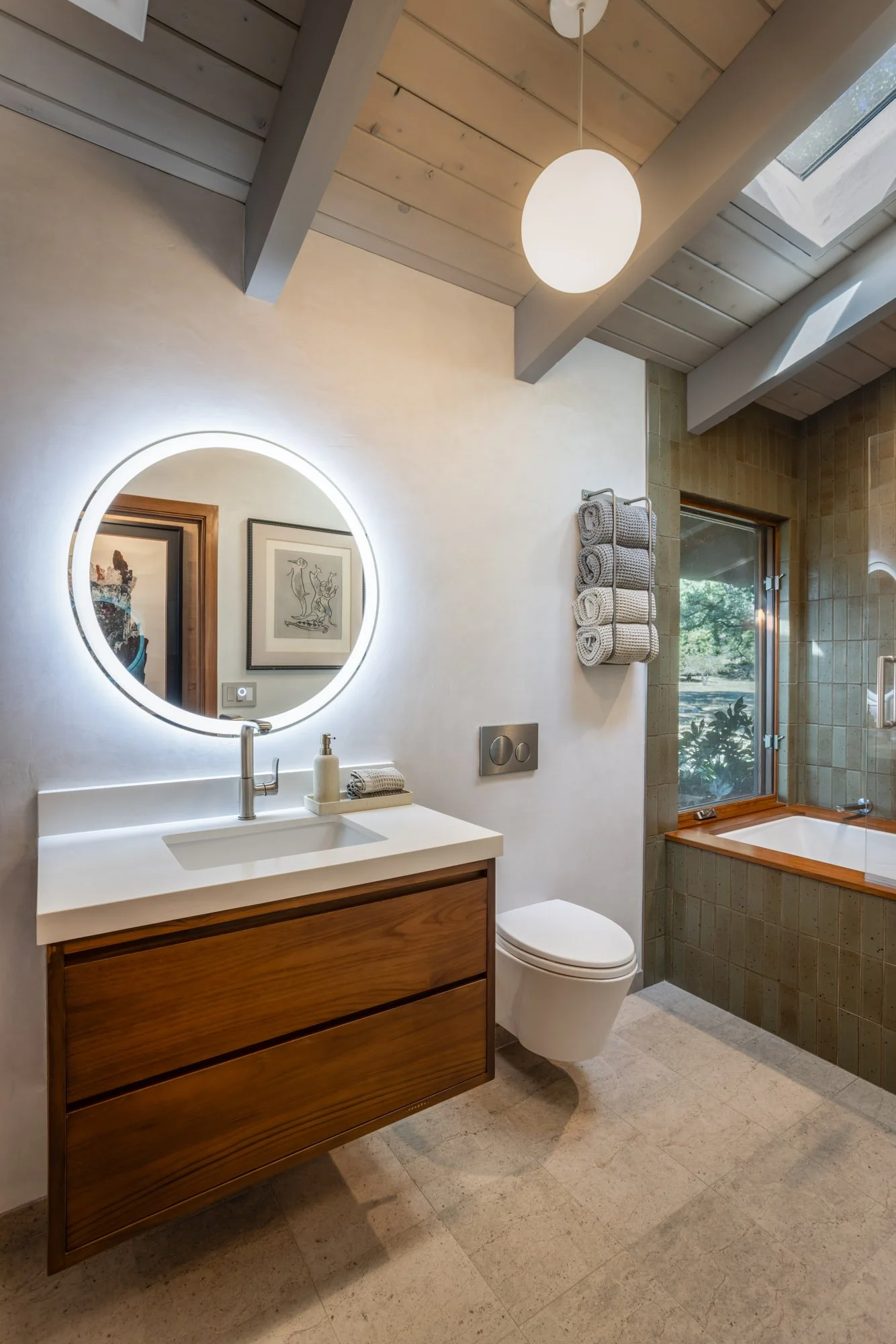
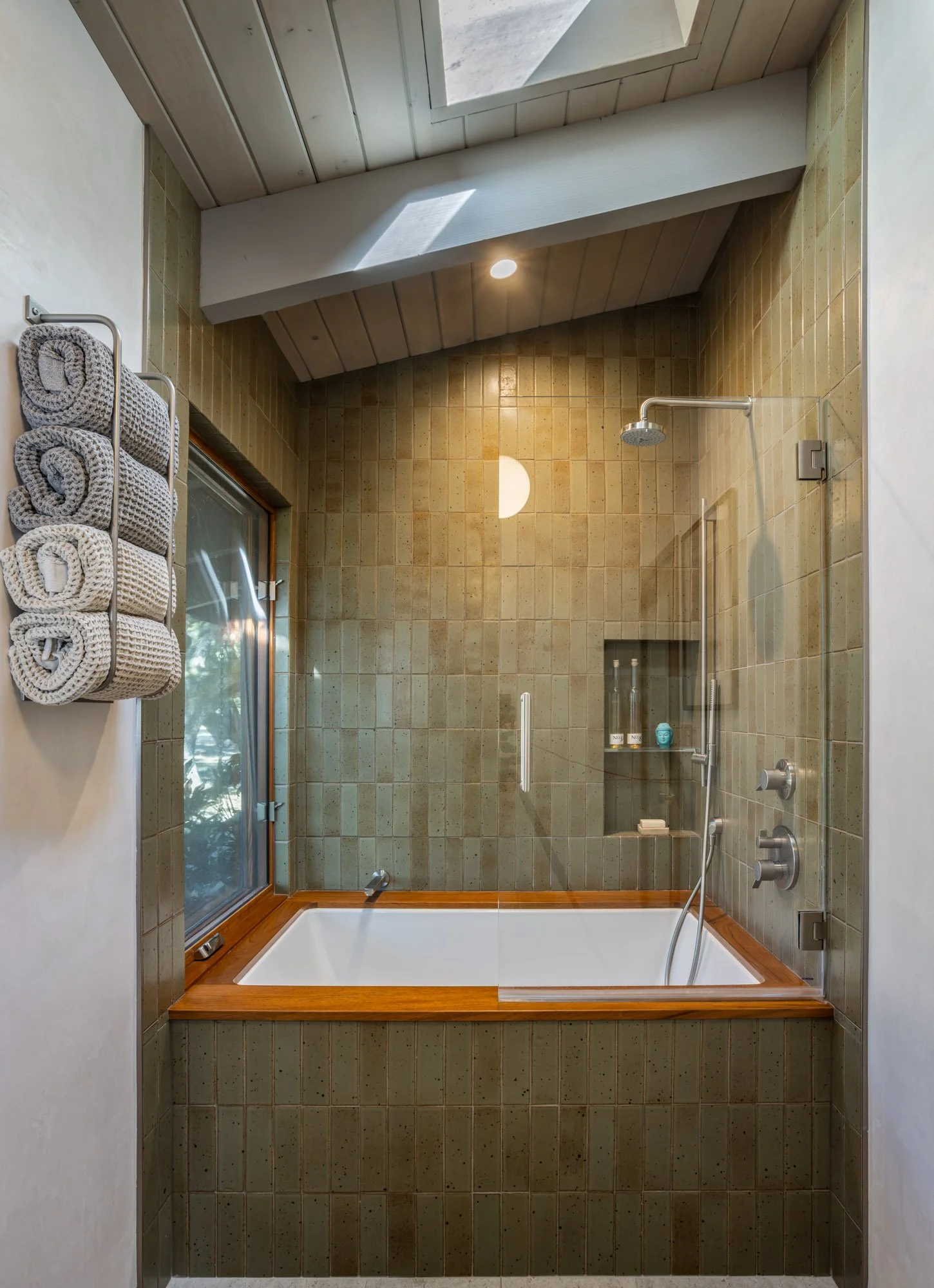
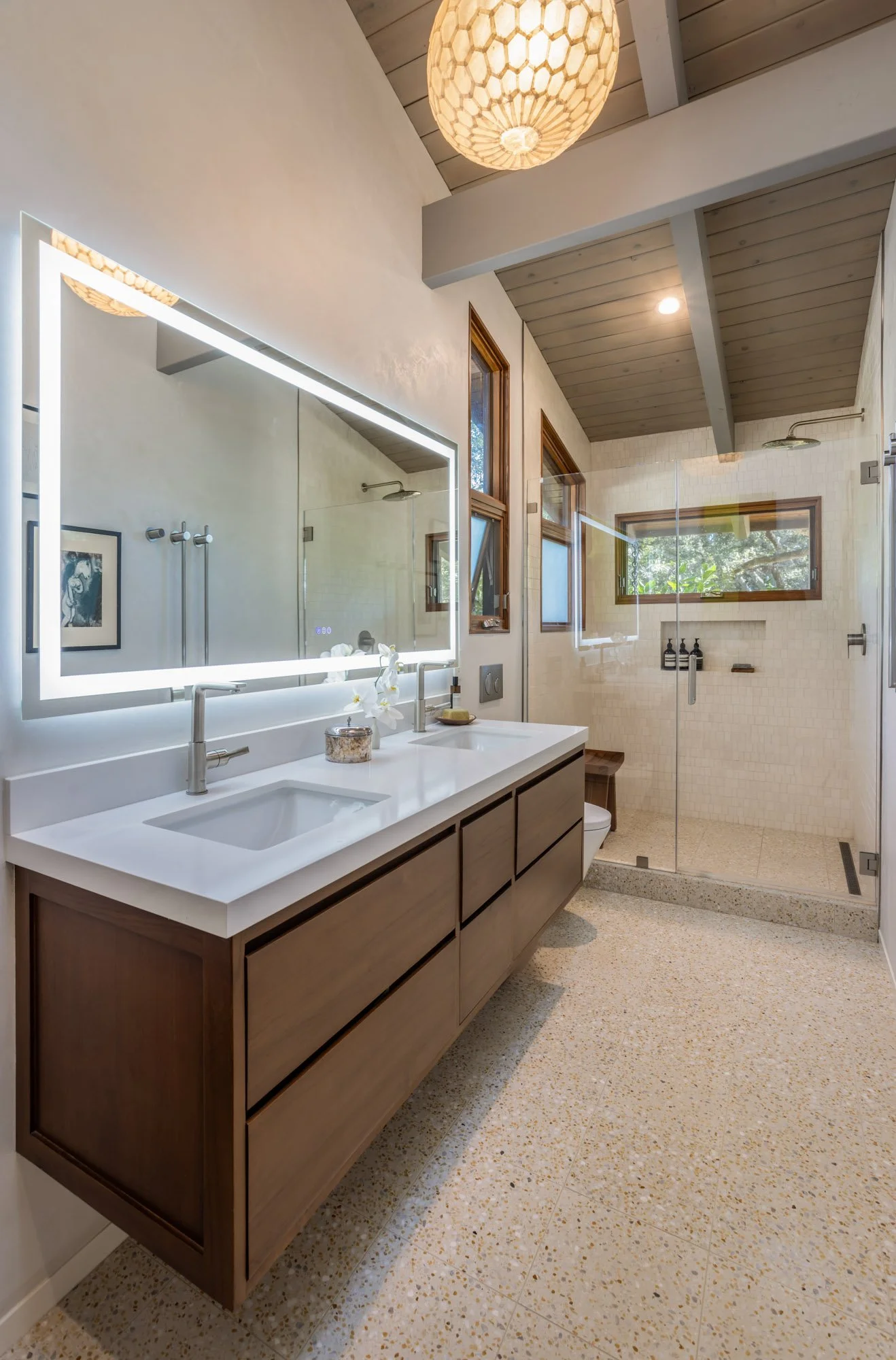
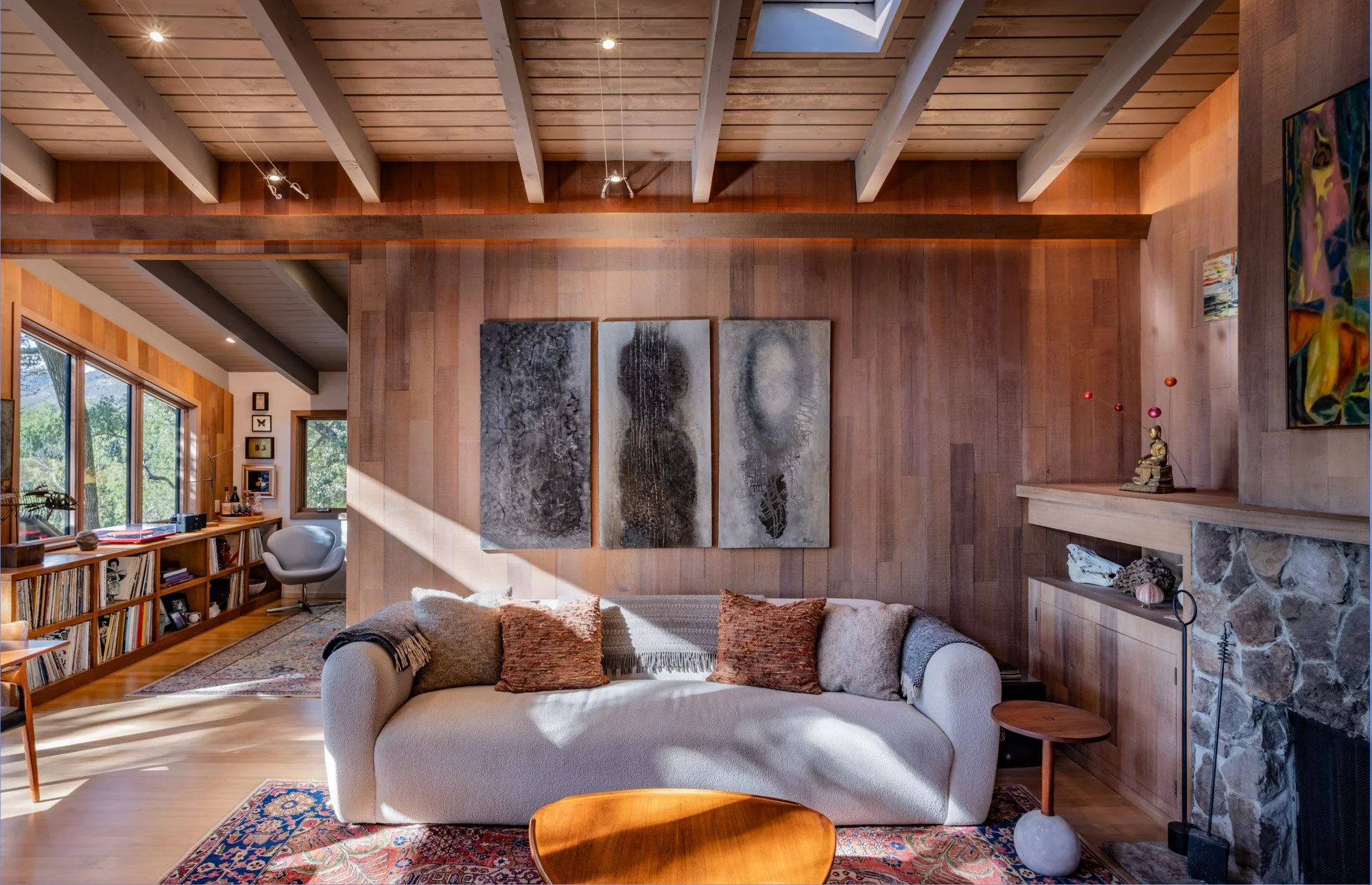
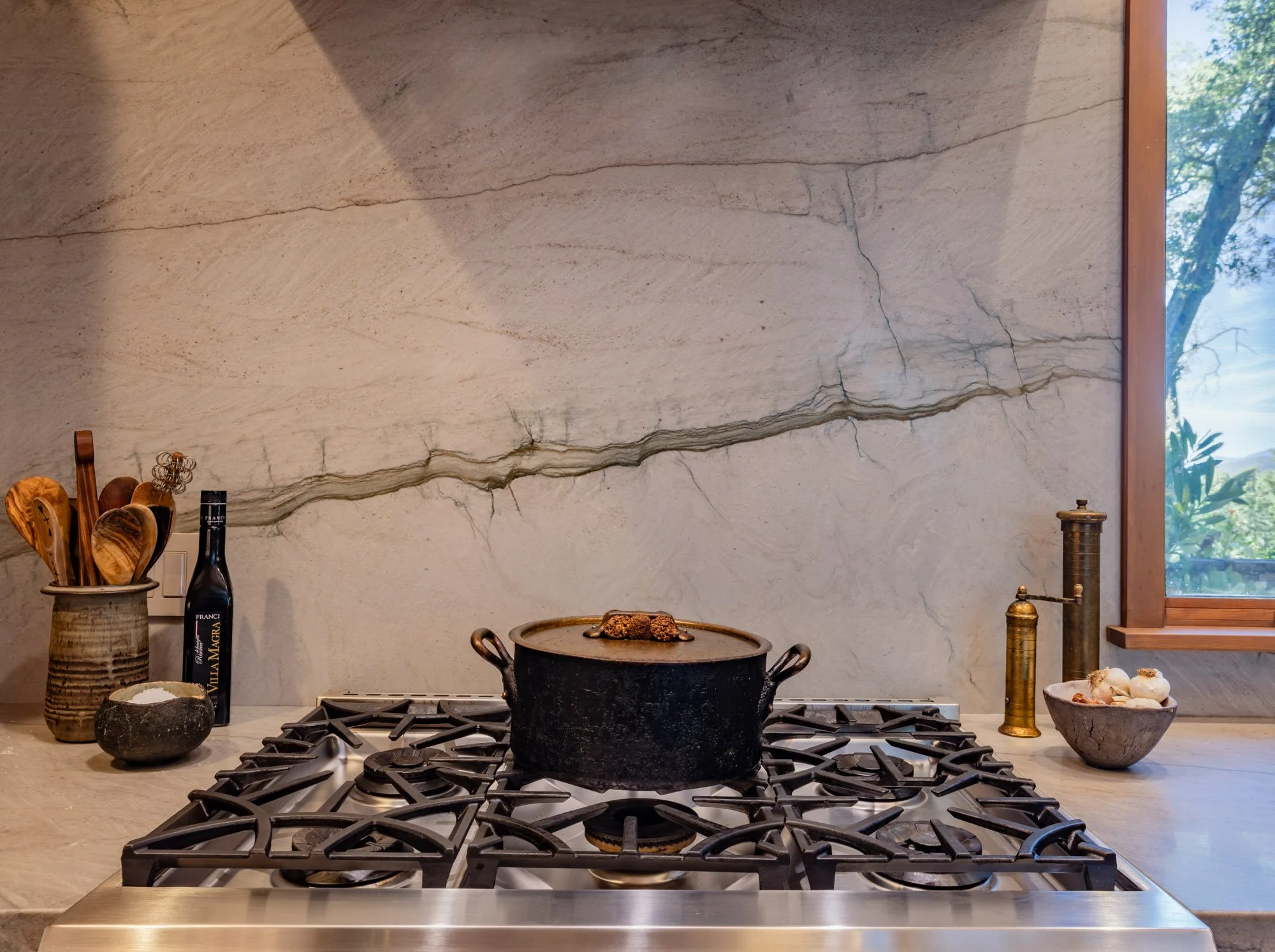
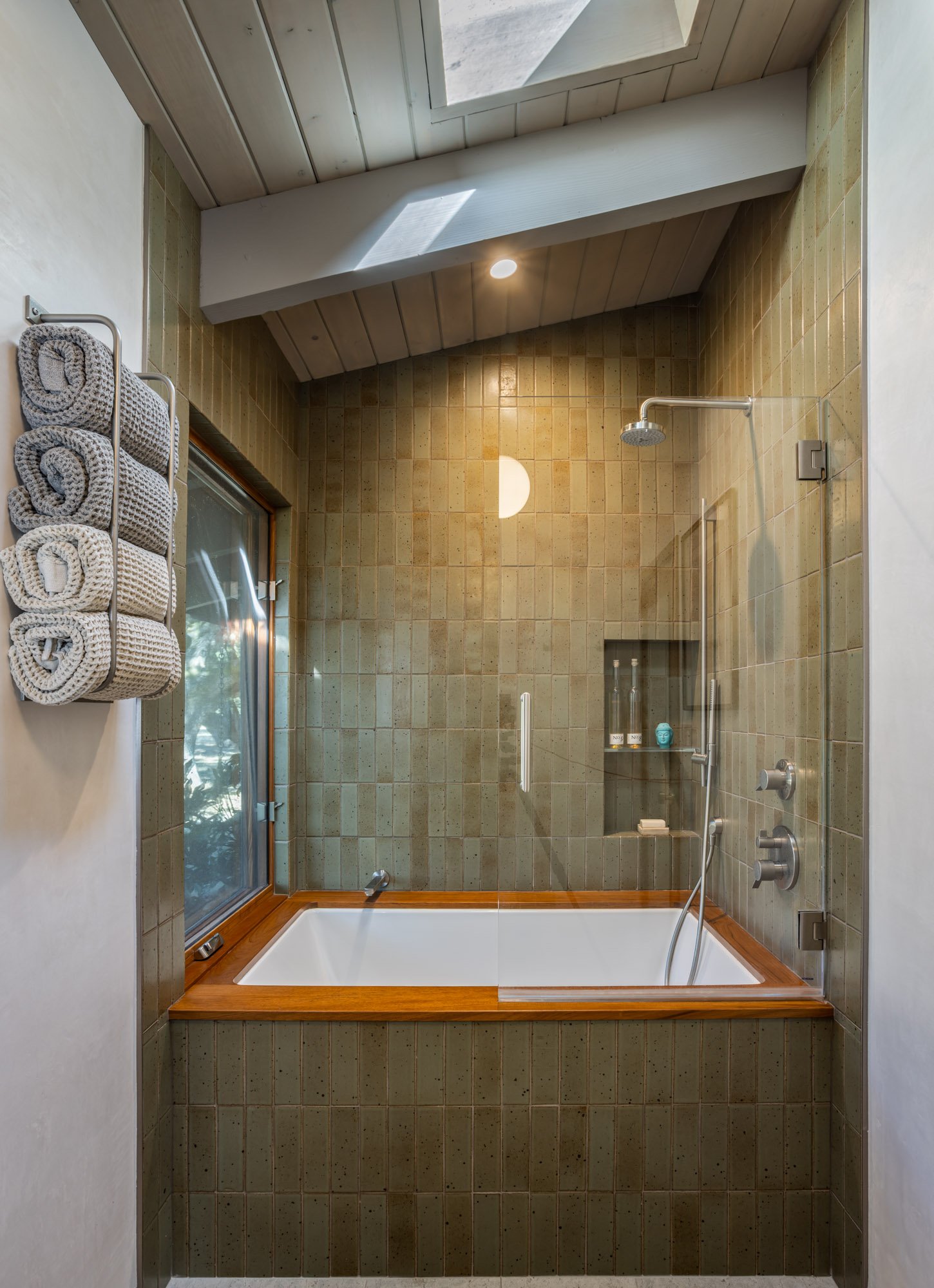
Because the home originally served as a summer retreat, we knew changes were necessary to create a functional, modern residence. Yet, there was so much original character we wanted to preserve. To let that vision mature, we decided to live in the home for a few years before beginning renovations, hoping to make design decisions that would echo long after us. In an age where the “outdated” is easily torn down and replaced, we wanted to preserve the existing, thoughtful craftsmanship while adapting the home for modern life.
We are longtime fans of the late Marin Architect John Marsh Davis, whose work became a vital reference point during our planning conversations. This inspiration ultimately led us to Marin Architect Michael Heacock and his exceptional renovation and restoration of John Marsh Davis’ 1969 Sterling Residence.
Michael Heacock was far more than the architect for this project—he became a trusted steward of its history and a true creative partner. From our first conversation, Michael understood something essential: our goal was never to erase the past, but to thoughtfully build upon it. This property carries nearly two centuries of history, and we felt a deep responsibility to preserve its spirit while creating a contemporary home for our family.
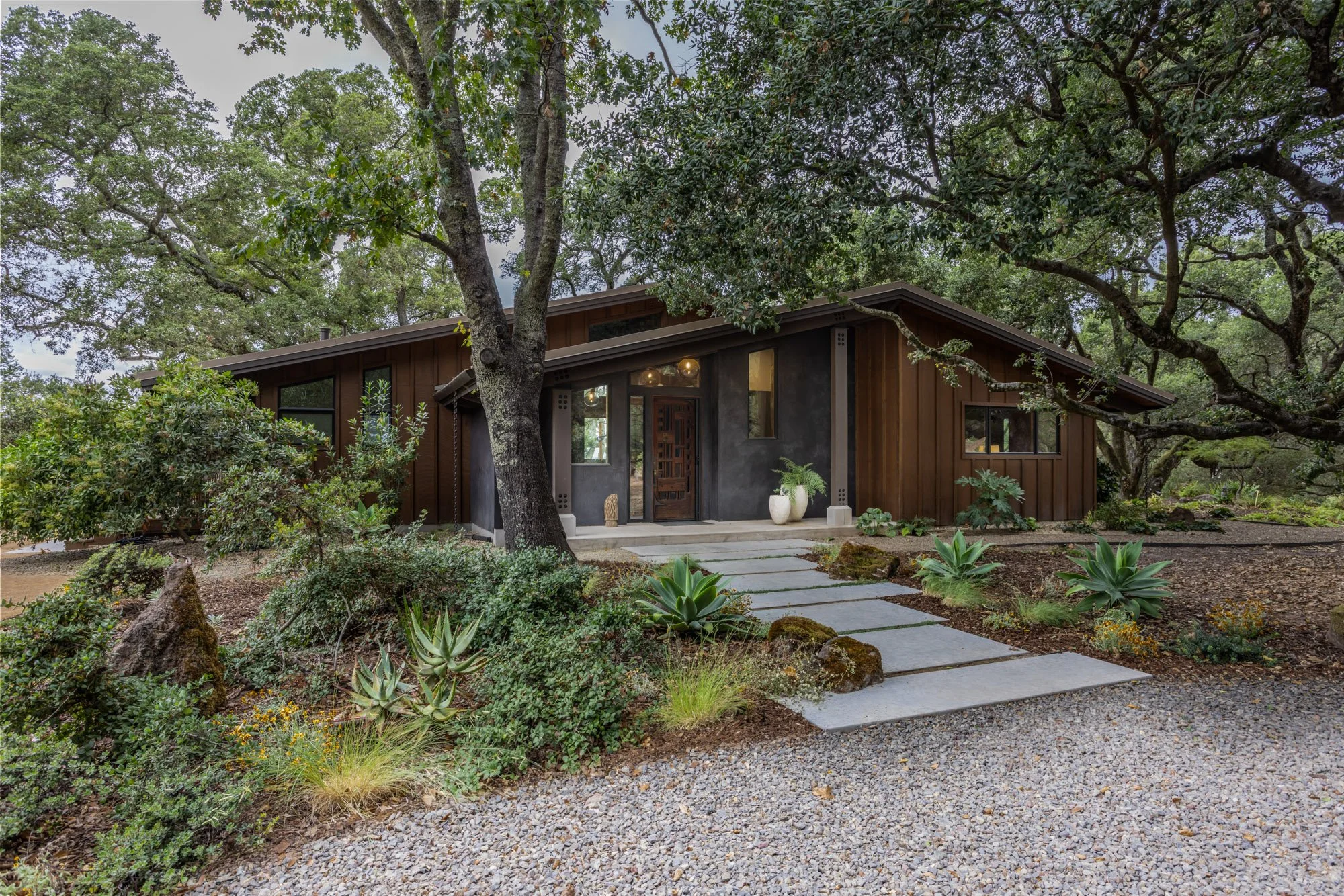
Rather than encouraging a complete rebuild, Michael embraced the existing 1970s architecture, recognizing its unique craftsmanship, proportions, and deep relationship with the landscape. He listened carefully, challenged us when needed, and translated our ideas into a timeless design that respects what was already there. His sensitivity to place, attention to detail, and remarkable ability to balance historic preservation with modern living made him an extraordinary collaborator.
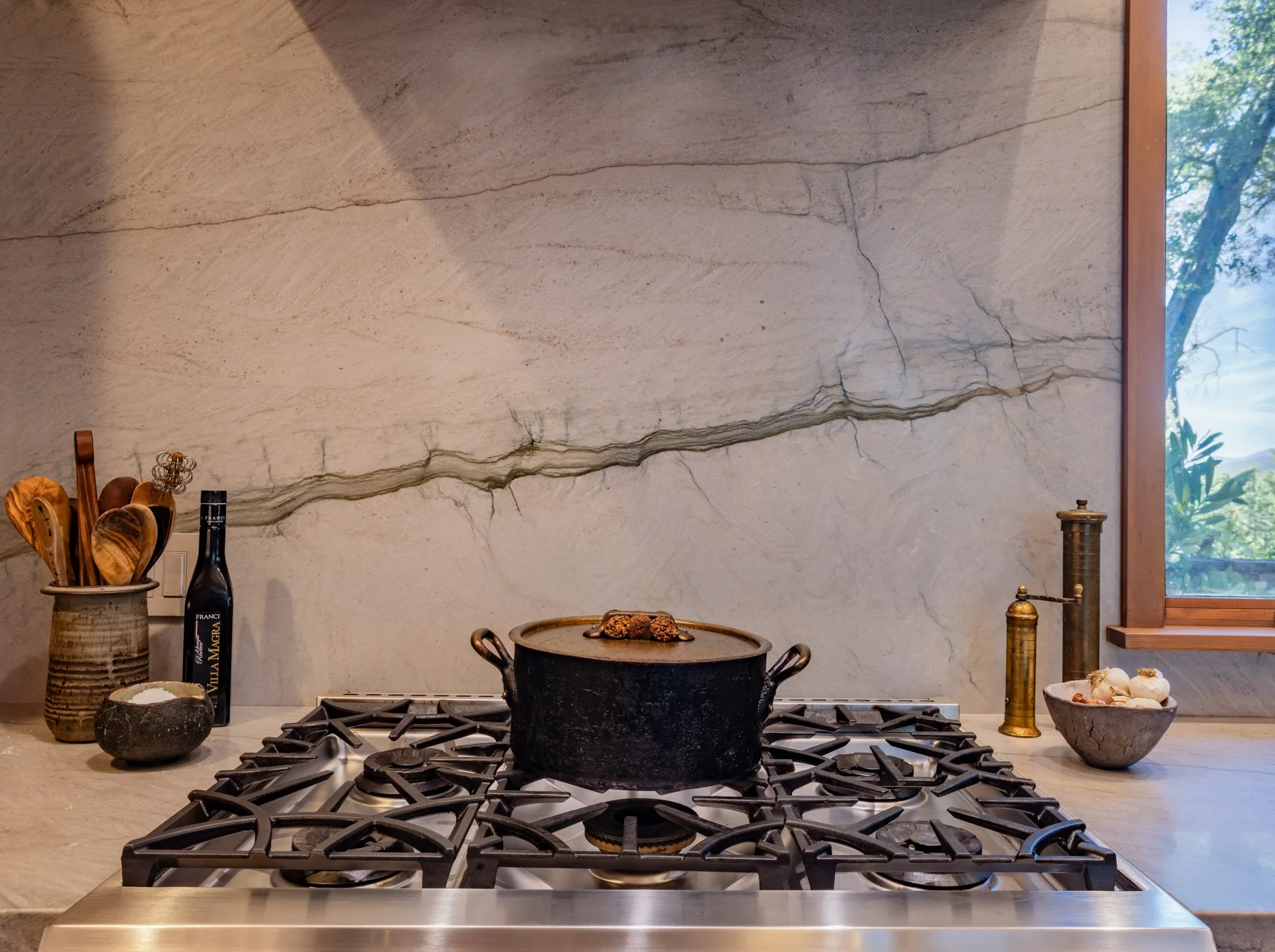
The finished home doesn't feel like a renovation—it feels as though it has always belonged here, evolving naturally while remaining true to its original character.”